
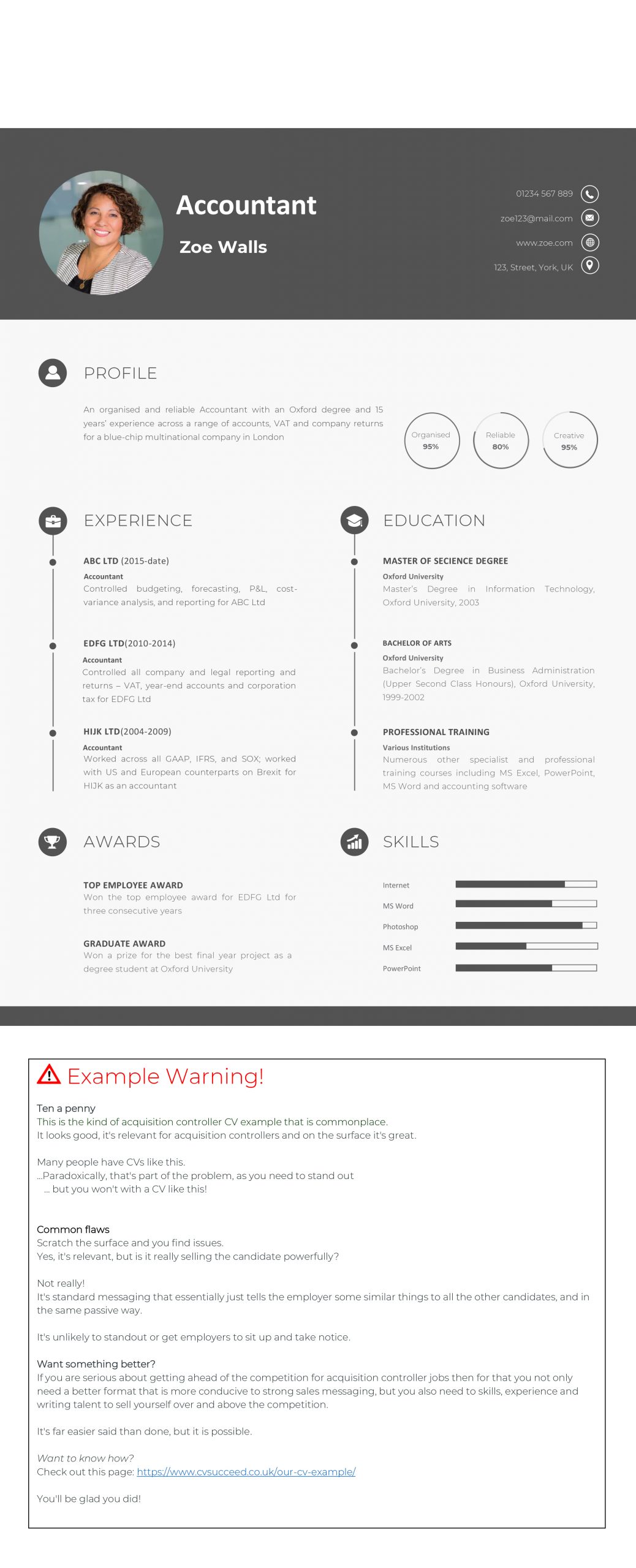

Crafting an Impressive Financial Advisor CV: Essential Tips for Profile, Education, and Experience Sections
When you’re applying for a Financial Advisor position, the impression your CV makes can be the deciding factor for recruiters. Here’s a succinct guide to optimizing the crucial segments of your CV: the Profile, Education, and Experience sections, to make a lasting impression and enhance your chances of securing that coveted role.
1. Profile Section:
Conciseness is Key: Keep it short, sweet, and to the point, focusing on your professional background, areas of expertise, and the value you can bring to potential employers.
Highlight Key Skills: Immediately showcase critical skills such as financial planning, risk management, and client relationship management.
Personal Branding: Use this section to brand yourself, including your professional style and approach, to make a memorable impression.
Quantifiable Achievements: If possible, include a key achievement with quantifiable results, like “Helped high-net-worth clients increase their portfolio value by 20% through strategic investment management.” Tailor to the Role: Align your profile with the specific financial advisor role you are applying for, focusing on the skills and experiences most relevant to the job description.
Example:
“Dedicated and results-driven Financial Advisor with over 5 years of experience specializing in portfolio management, financial planning, and investment strategy. Adept at developing and implementing tailored financial plans to meet the unique needs of clients, helping them achieve their financial goals. Proven ability to build and maintain long-lasting client relationships through excellent communication and interpersonal skills. Certified Financial Planner (CFP) with a strong background in risk management and wealth preservation.”
2. Education Section:
Relevance is Crucial: Prioritize listing degrees and qualifications that are most relevant to a financial advisor role, such as Finance, Economics, or Business Administration.
Include Certifications: List any professional certifications like CFP or Chartered Financial Analyst (CFA) prominently in this section.
Detail Any Specializations: If you specialized in a relevant field, such as financial planning or investment analysis, be sure to include it.
Mention Academic Achievements: If you had a high GPA, graduated with honors, or received any awards, consider including these details.
Example:
“Bachelor of Science in Finance – [Your University], [Year]
Graduated with Honors Specialization in Investment Analysis Certified Financial Planner (CFP) – [Certification Body], [Year]”
3. Experience Section:
Use Action Verbs: Start each bullet point with a strong action verb, such as “managed,” “developed,” or “implemented.”
Quantify Achievements: Wherever possible, use numbers to quantify your achievements, e.g., “Managed a portfolio of over £5 million…”
Highlight Relevant Tasks: Prioritize detailing tasks and responsibilities that are most relevant to a financial advisor role, focusing on client advisory, portfolio management, and financial analysis.
Showcase Client Management: Given the client-centric nature of the role, emphasize your experience and proficiency in managing client relationships and providing top-notch service.
Tailor to the Job Description: Align your experience with the specific requirements and preferences listed in the job description.